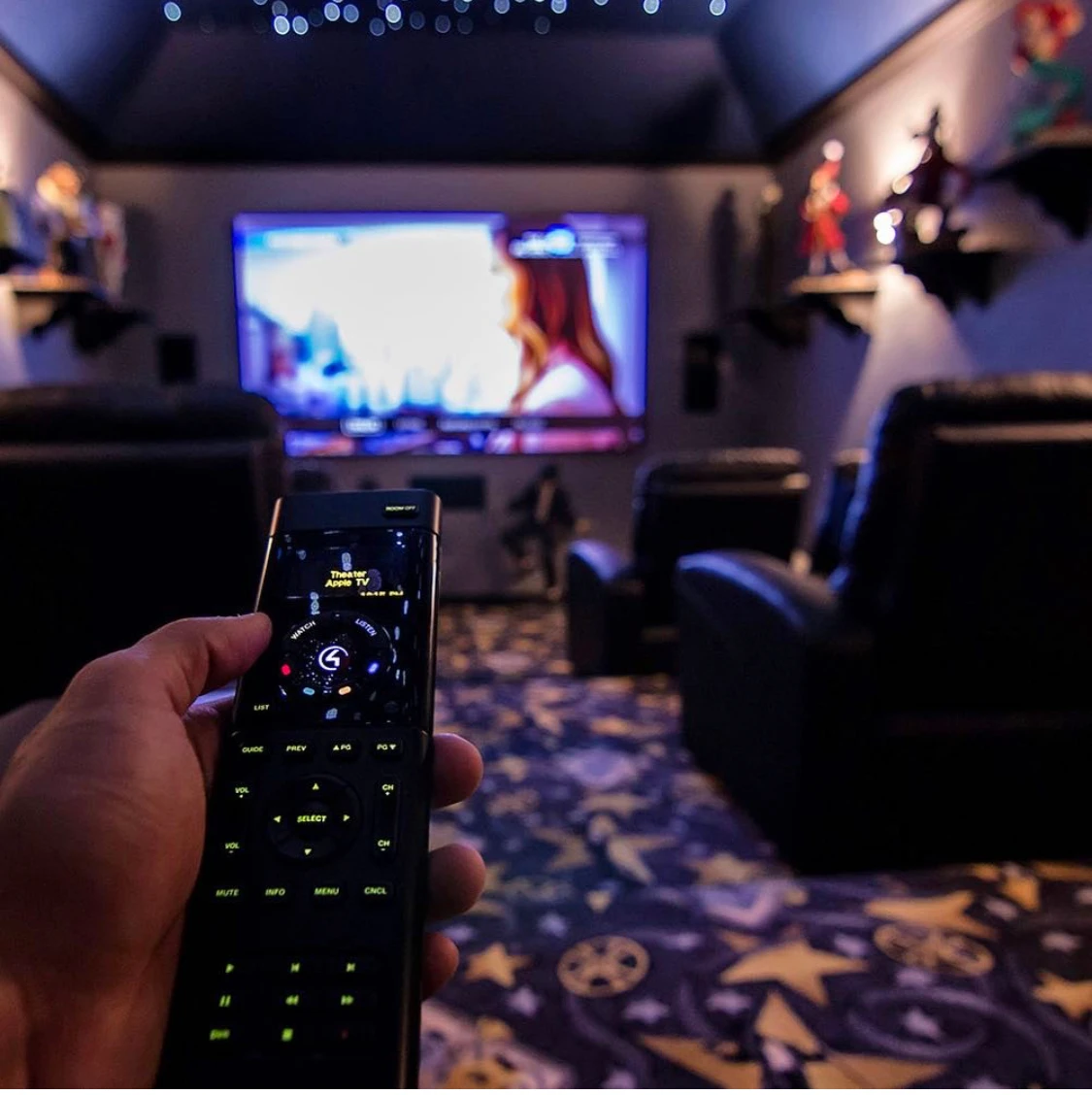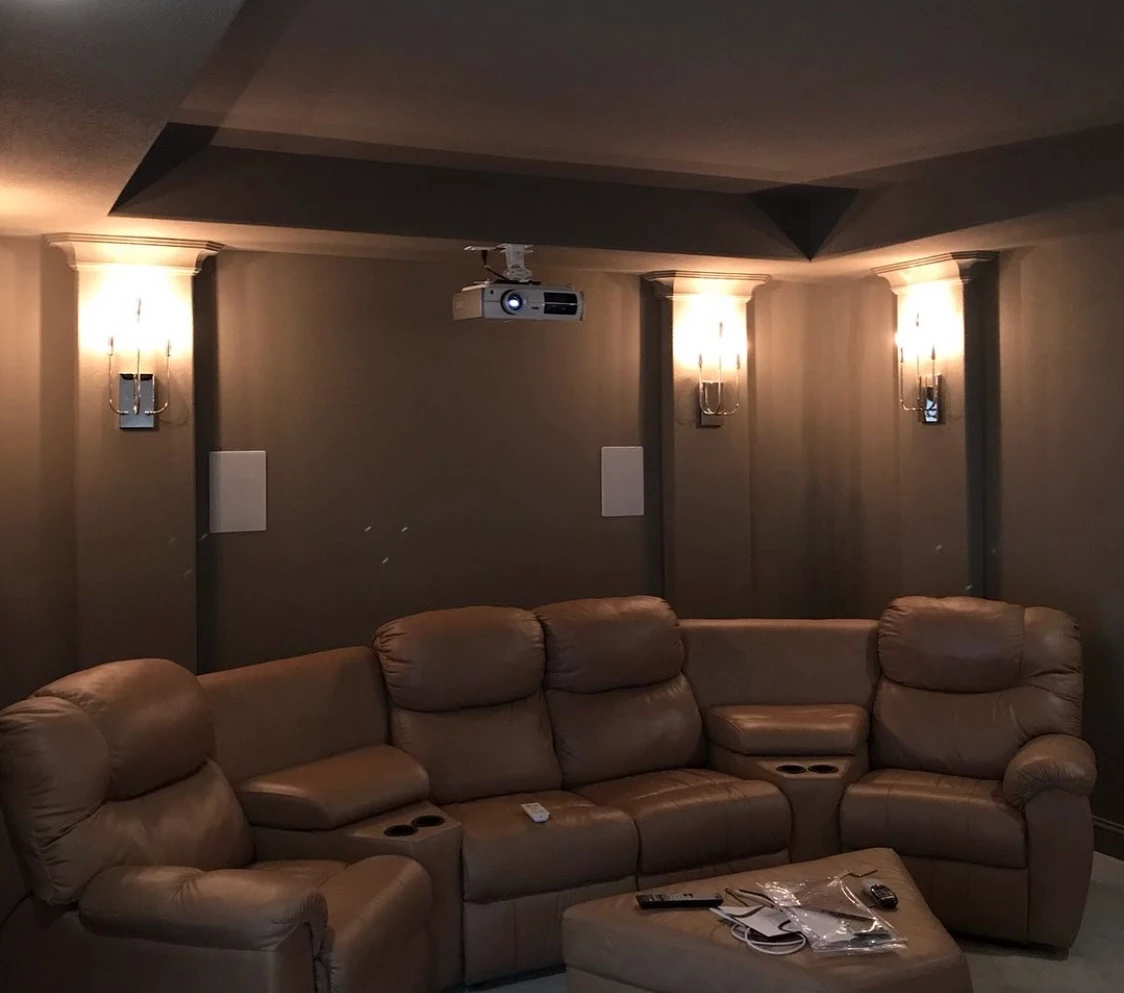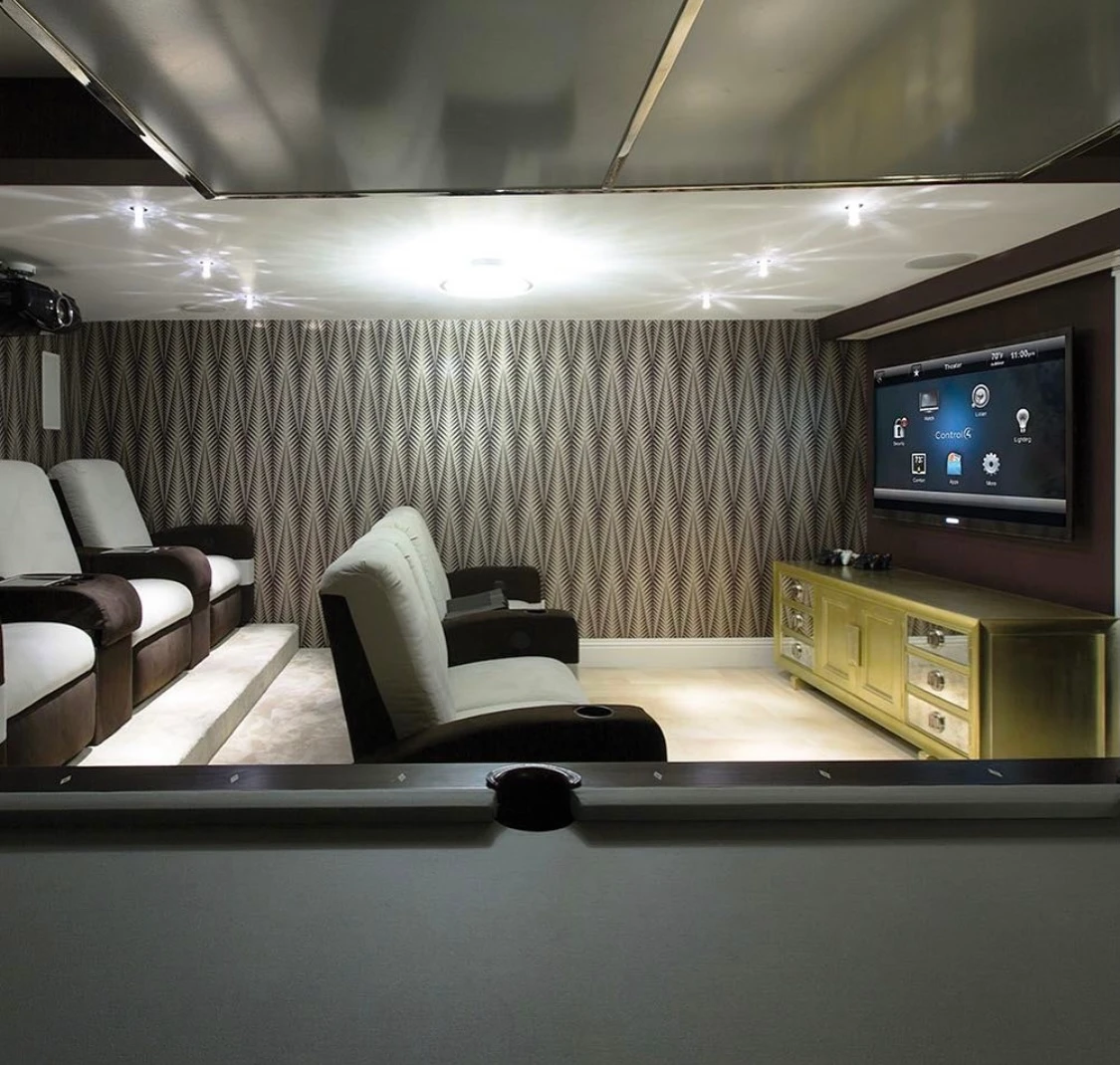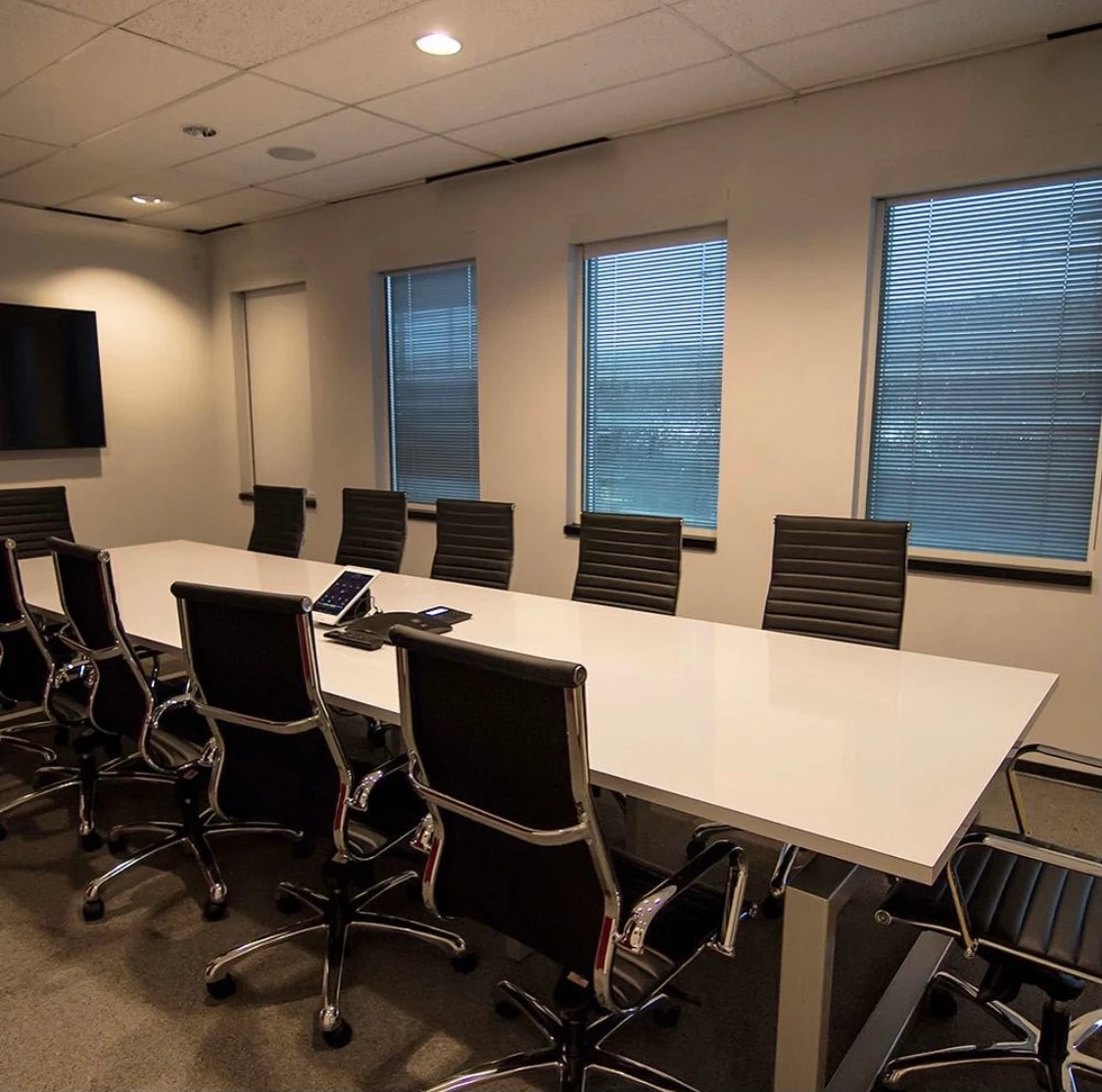

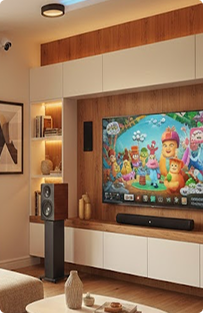
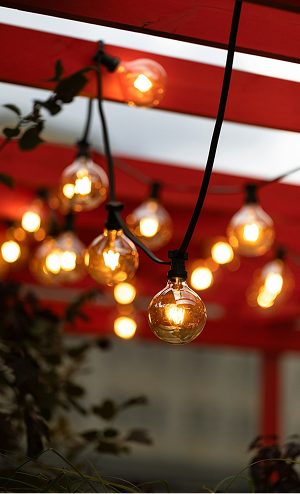
Lighting responding automatically to presence, schedules, and daily routines
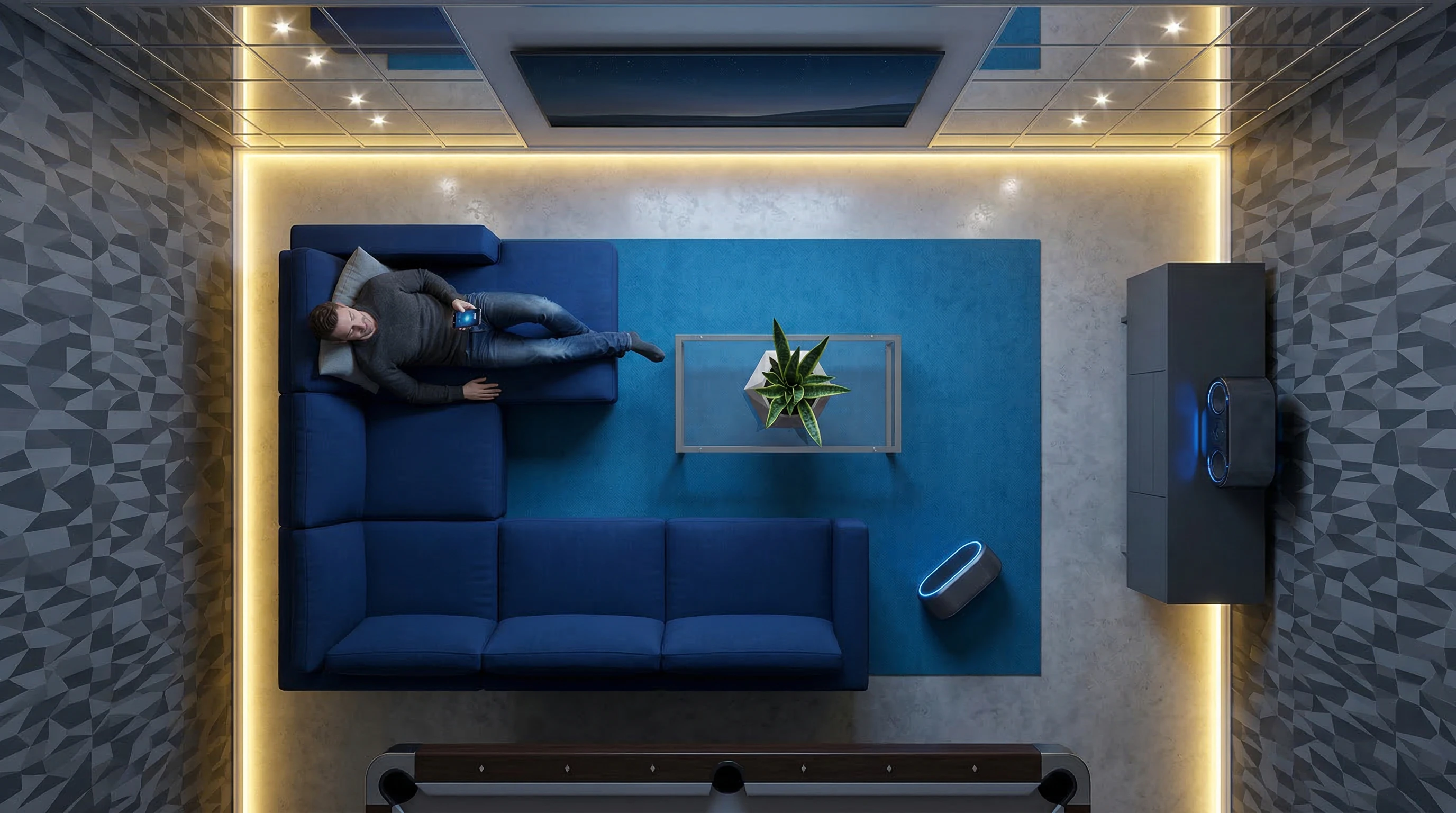
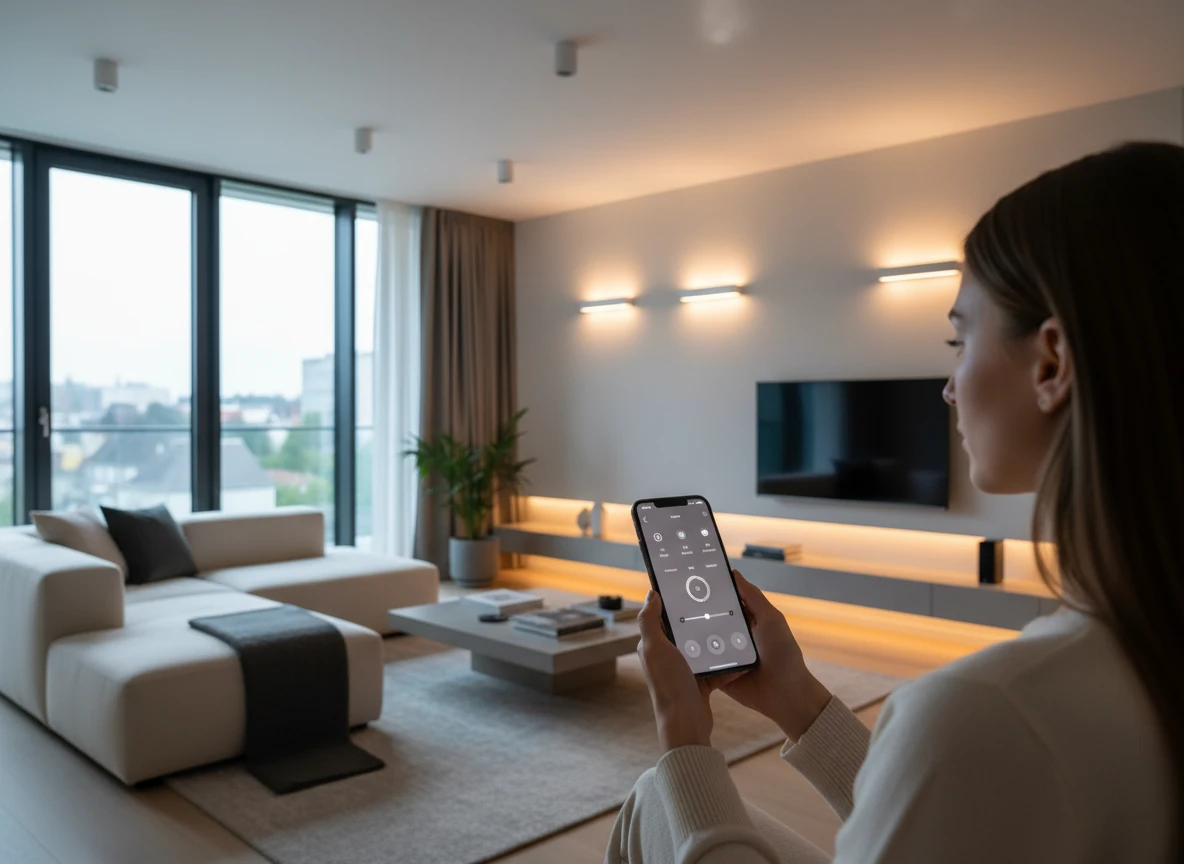
Lighting Systems
Lighting Designed To Shape The Atmosphere Of A Space
Lighting Design
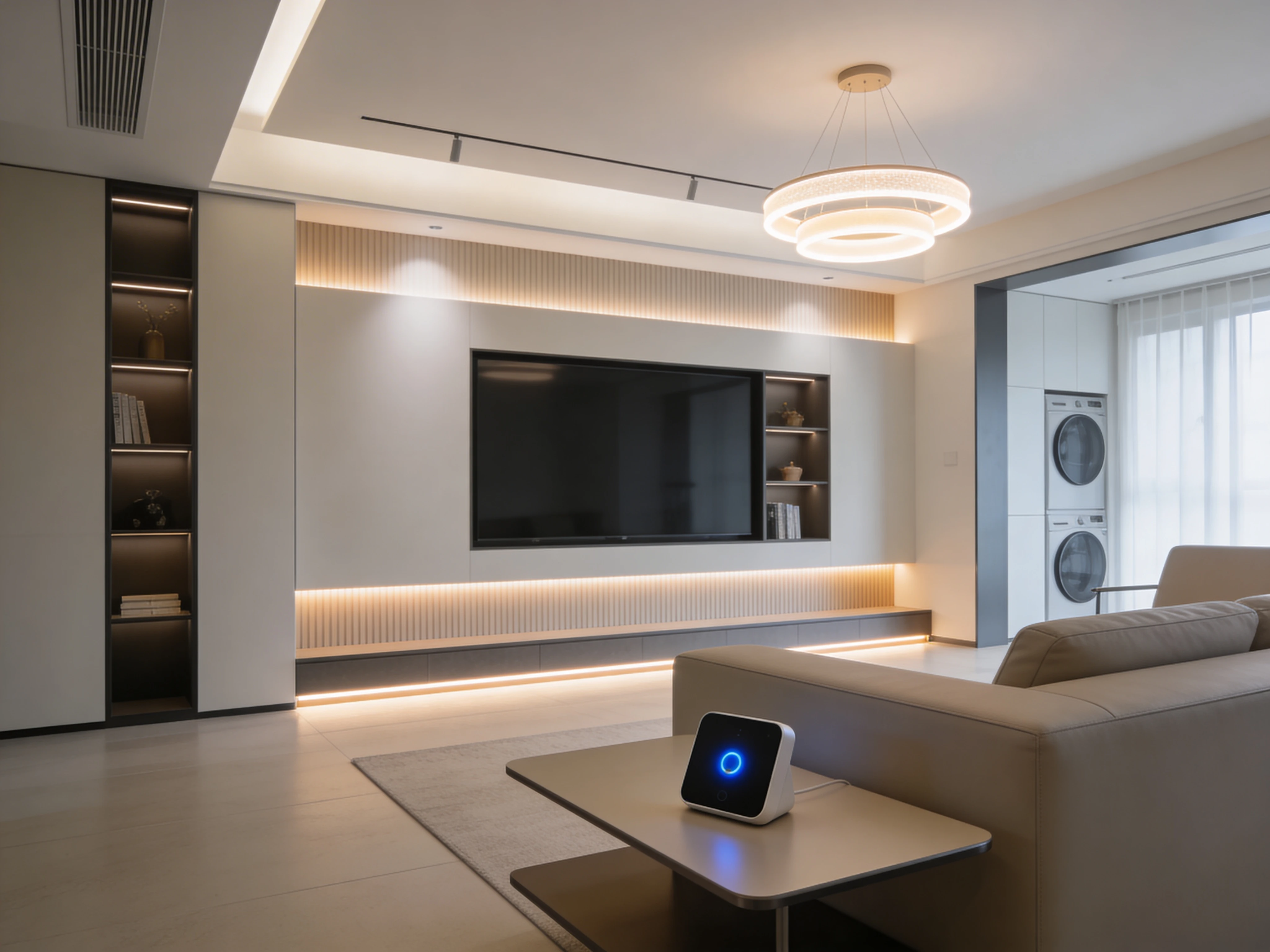
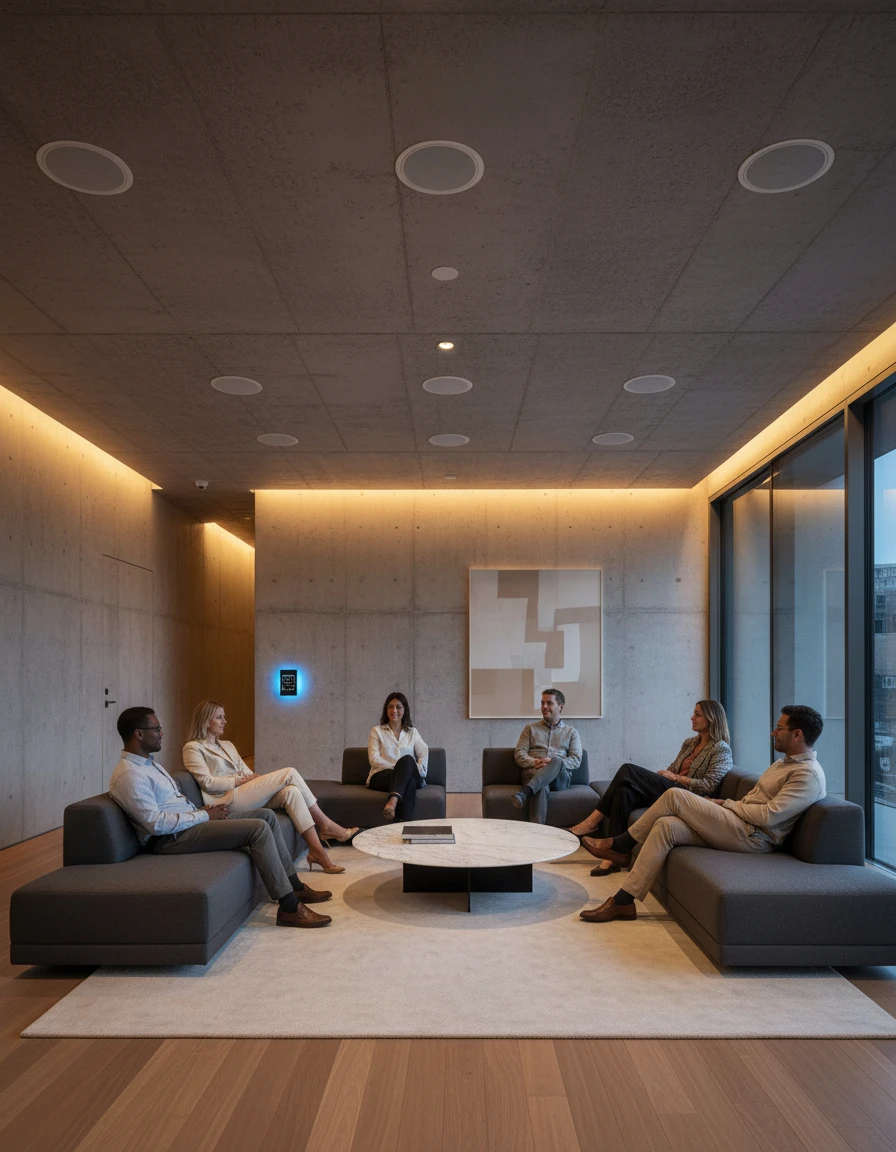
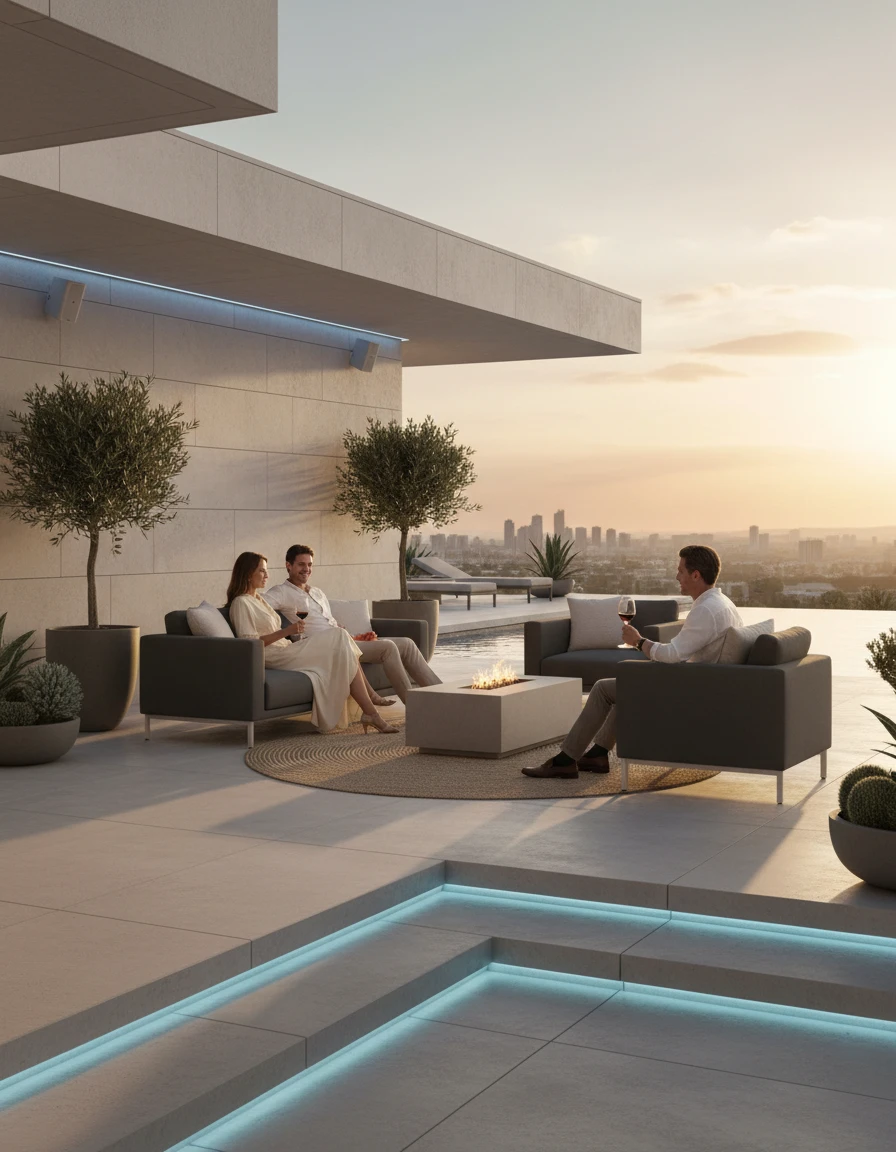
Lighting systems are designed to shape how spaces are experienced throughout the day. Each lighting environment balances atmosphere, functionality, and architectural presence while remaining intuitive to control from a single interface.
Light That Adapts To The Space
A well-planned lighting system does more than illuminate rooms. It shapes how architecture is perceived, supports daily activities, and creates environments that feel balanced, comfortable, and visually cohesive.
Ambient lighting scenes
Architectural lighting balance
Integrated lighting control
Lighting Control Systems
The system that allows lighting to respond to your space
Smart lighting control transforms how illumination behaves throughout a property. Instead of managing individual switches, lighting becomes a coordinated system that adapts to activities, schedules, and spatial design, allowing environments to feel balanced, functional, and consistent across different areas of the space.
Lighting Scene Design
Lighting scenes coordinate fixtures to shape atmosphere across different moments.
Scheduled Lighting
Lighting adjusts automatically following schedules aligned with daily routines.
Lighting Control
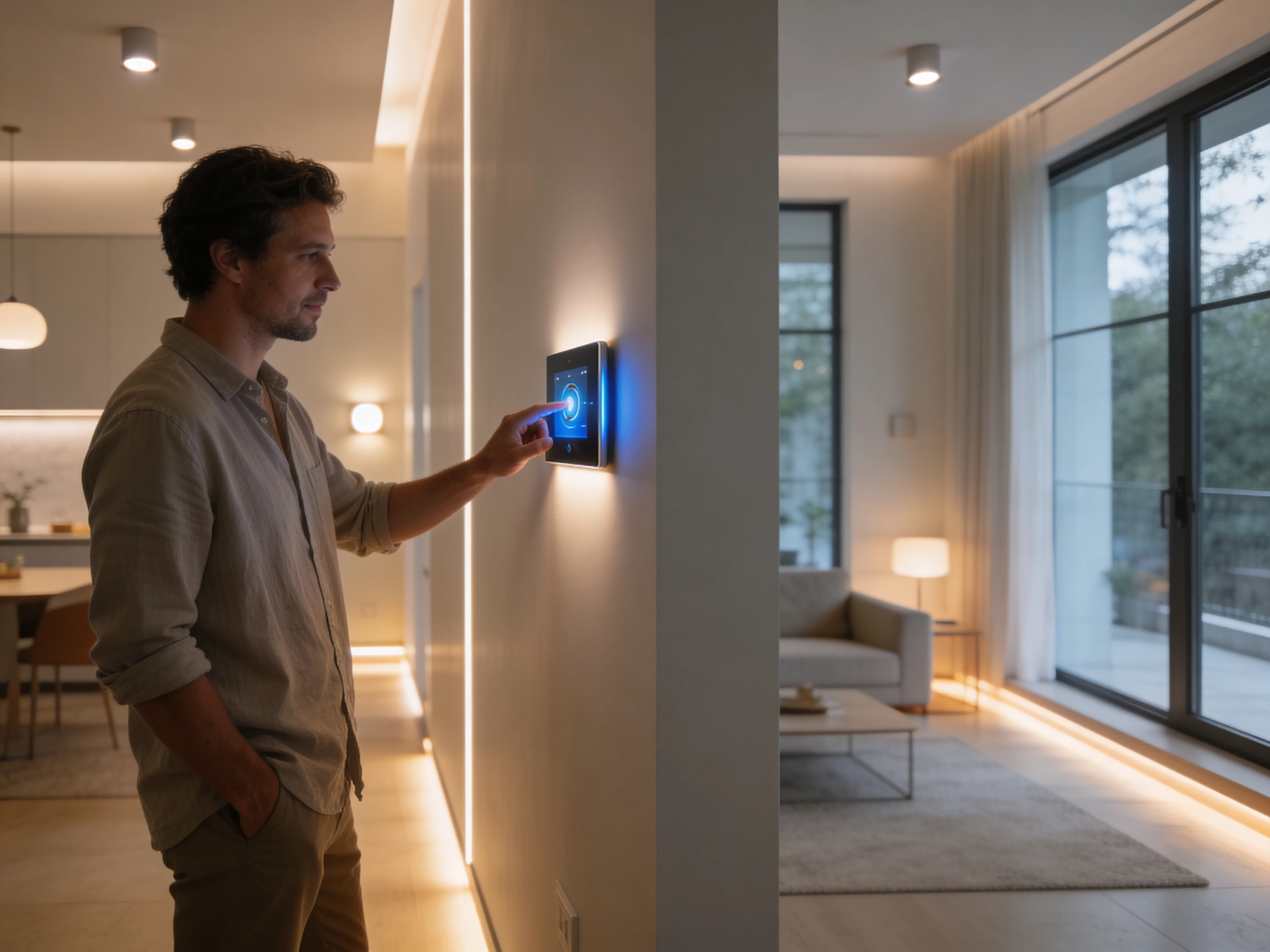
Lighting environments managed from simple interfaces designed for everyday interaction.
Integrated Lighting Systems
Lighting operates with automation, shading, and technology across the environment.
Connected Technology Ecosystem
Lighting systems integrated with the broader technology environment
Smart lighting can interact with automation platforms, security systems, and environmental controls. By connecting these technologies, lighting becomes part of a responsive environment that adapts to presence, schedules, and everyday routines.
Gallery
Our team designs lighting environments that support how your spaces function.